Author Archives: 360yoga.org
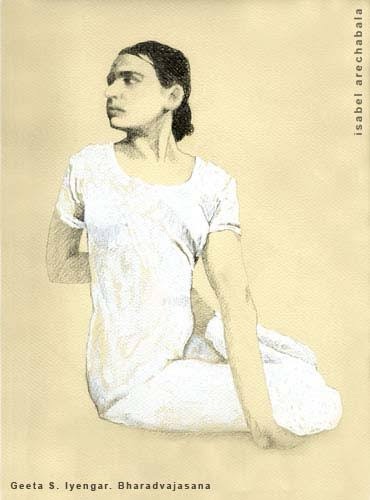
Bharadvaja’s Twist
is traditionally known as Bharadvajasana in Sanskrit. However, there is no other commonly used Sanskrit name for this specific posture. It is named after the sage Bharadvaja, a revered figure in ancient Indian texts.
Bharadvajasana (Bharadvaja’s Twist): A Pose for Spinal Health and Detoxification
Introduction
Bharadvajasana, or Bharadvaja’s Twist, is a powerful seated twist that has been practiced for centuries in the tradition of yoga. Named after the ancient sage Bharadvaja, this asana combines physical strength, flexibility, and mindfulness to promote overall health and well-being. The pose is known for its ability to cleanse and detoxify the body while providing relief from spinal tension and discomfort. Additionally, this twist offers an excellent opportunity to work on hip flexibility and grounding.
Benefits of Bharadvajasana
1.Spinal Health: The gentle yet effective twist helps improve the flexibility of the spine and tones the muscles surrounding it. This movement also relieves tension, particularly in the lower back, shoulders, and neck.
2.Detoxification: Twisting compresses the internal organs, especially in the abdomen, aiding in digestion and the detoxification process. When the twist is released, fresh blood rushes into the organs, promoting health and vitality.
3.Hip Opening and Alignment: As you place your foot on your thigh during the pose, you are pressing the corresponding hip down into the floor. This technique not only grounds your body but also helps open and stabilize the hip joint. Over time, this gentle but effective pressure promotes better hip flexibility and alignment, which is particularly beneficial for those with tight hips or lower back discomfort.
4.Calming the Nervous System: As a restorative twist, Bharadvajasana has a calming effect on the nervous system. Practicing it mindfully can reduce stress and anxiety while promoting a sense of peace.
5.Relief from Lower Back Pain: For people suffering from mild lower back discomfort, Bharadvajasana can offer relief by stretching the spine and releasing tension.
The Global Evolution of Yoga
How Different Cultures Have Shaped Ancient Practices
Introduction:
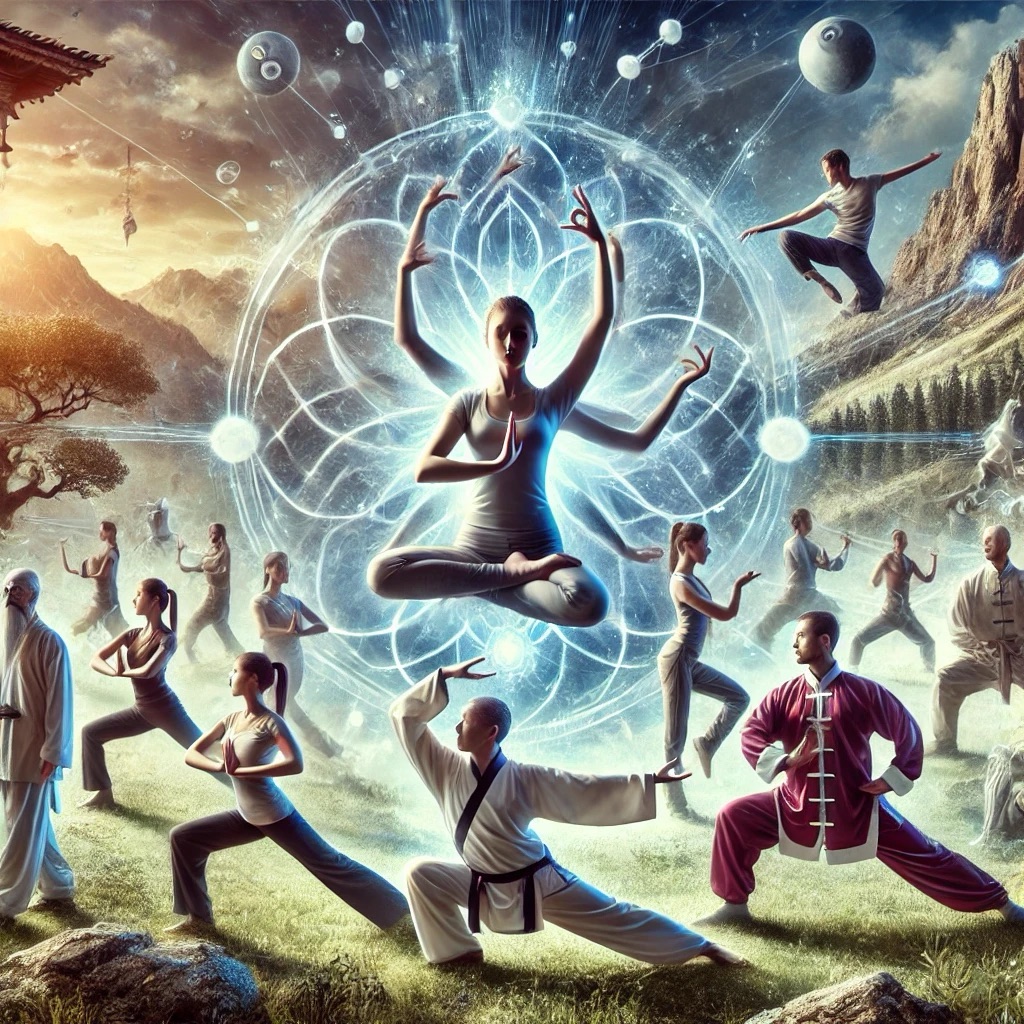
Yoga, originating from ancient India, is more than just a physical practice; it’s a philosophy, a way of life that has transcended boundaries and influenced cultures worldwide. As it spread across the globe, different regions have adapted and molded these ancient practices to align with their unique cultural, spiritual, and physical needs, giving rise to new forms that, while distinct, still echo the essence of yoga.
1. Yoga in China: The Birth of Qigong
China, with its rich history of martial arts and energy cultivation practices, naturally embraced and transformed yoga into what is known today as Qigong. Qigong, which means “life energy cultivation,” shares yoga’s focus on breath, meditation, and physical postures but is deeply rooted in Chinese philosophy, including concepts from Taoism and Traditional Chinese Medicine. This practice emphasizes the flow of Qi (life energy) through the body, much like yoga’s focus on prana, aligning the two practices in their shared goal of balancing body, mind, and spirit.
2. Yoga in Russia: The Development of Systema
In Russia, the ancient practice of yoga influenced the development of Systema, a martial art that integrates physical training with psychological and spiritual development. Like yoga, Systema emphasizes breath control, relaxation, and natural movement, but it adapts these elements to the Russian context, focusing on survival, self-defense, and the harsh realities of Russian history and environment. This blend of physical and mental discipline creates a unique approach to both combat and self-awareness.
3. Yoga in Persia: The Tradition of Zoorkhane
Persia (modern-day Iran) has its own ancient tradition of physical and spiritual training known as Zoorkhane, or the “house of strength.” While not directly derived from yoga, Zoorkhane shares similar principles of physical conditioning, spiritual discipline, and community. The practice combines elements of strength training, music, and ritual, reflecting the Persian emphasis on heroism, ethics, and the connection between mind and body. Zoorkhane can be seen as a parallel to yoga in its holistic approach to physical and spiritual well-being.
4. Yoga and Buddhism: The Transformation into Kung Fu
In the Buddhist monasteries of China, particularly the Shaolin Temple, the principles of yoga merged with local martial practices to give birth to Kung Fu. Buddhist monks, seeking to enhance their meditation and physical endurance, adopted yoga’s asanas (postures) and breath control, integrating them with traditional Chinese martial arts. Kung Fu, therefore, is a fusion of spiritual discipline and martial prowess, embodying the Buddhist pursuit of enlightenment through physical and mental mastery.
Conclusion:
The journey of yoga across the world is a testament to its universal appeal and adaptability. As it encounters different cultures, it absorbs local traditions, philosophies, and needs, transforming into new forms that still carry the core essence of yoga. These cultural adaptations not only enrich the practice but also demonstrate the power of yoga to unify diverse practices under the common goal of holistic well-being.
The Healing Power of Music in Yoga and Wellness Practices
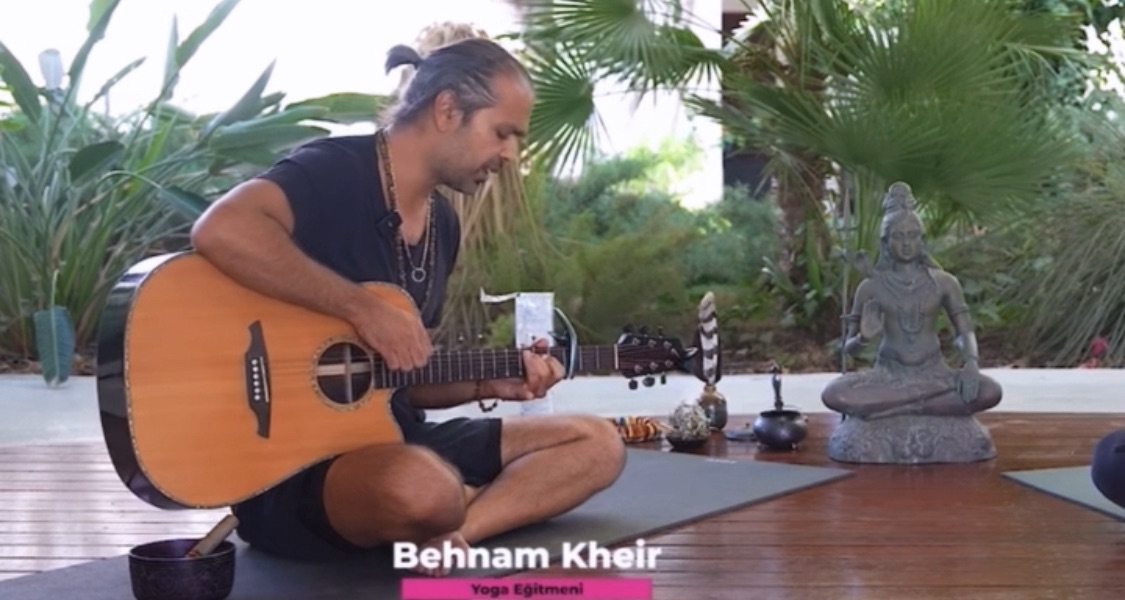
Music has long been recognized as a universal language that transcends boundaries, cultures, and generations. In the context of yoga and other healing practices, music plays a crucial role in enhancing the overall experience and promoting deep healing on multiple levels—physically, mentally, and spiritually.
The Science Behind Music and Healing
Research has shown that music can influence our emotions, cognitive functions, and physical well-being. It affects the brain by triggering the release of neurotransmitters like dopamine, which is associated with pleasure, and serotonin, which helps regulate mood. This biochemical response can help reduce stress, anxiety, and depression, making it an effective tool for promoting mental health.
In yoga sessions, the rhythm and melody of music can guide breathwork and movement, creating a harmonious flow that helps practitioners stay present and connected to their practice. Specific frequencies and tones used in healing music, such as solfeggio frequencies, are believed to align the body’s energy centers, or chakras, promoting balance and healing.
Explore Healing Music Albums
To support your practice, explore our specially curated music albums designed to enhance specific aspects of yoga, meditation, and healing activities.
Qigong and Taichi Healing Music Album
Qigong and Tai Chi are ancient practices that combine gentle movement, breathwork, and meditation to cultivate life force energy, or Qi. The Qigong and Taichi Healing Music Album is designed to accompany these practices, using soothing melodies and rhythmic patterns to harmonize the flow of energy throughout the body. This album helps deepen your practice, promoting balance, relaxation, and a sense of inner peace.
Listen to Qigong and Taichi Healing Music
Yoga Flow Album
Flow through your yoga practice with the Yoga Flow Album, a collection of dynamic, uplifting tracks designed to sync with your breath and movement. Whether you’re moving through a Vinyasa sequence or an Ashtanga series, this album will help you stay focused, energized, and connected to your body. The rhythms and melodies are crafted to enhance the flow of your practice, encouraging a seamless transition between poses.
Chakra Therapy Album
Balance and align your energy centers with the Chakra Therapy Album. Each track is tuned to resonate with a specific chakra, using the corresponding musical note and frequency to promote healing and harmony. Whether you’re working on grounding your Root Chakra or opening your Heart Chakra, this album provides the perfect soundtrack to your energy healing practices.
- Root Chakra (Muladhara): Grounding, stability, and security.
- Sacral Chakra (Svadhisthana): Creativity and emotional balance.
- Solar Plexus Chakra (Manipura): Confidence and self-esteem.
- Heart Chakra (Anahata): Love, compassion, and connection.
- Throat Chakra (Vishuddha): Communication and truth.
- Third Eye Chakra (Ajna): Intuition and insight.
- Crown Chakra (Sahasrara): Spiritual awareness and higher consciousness.
Savasana and Corpse Pose Album
Complete your yoga practice with deep relaxation using the Savasana and Corpse Pose Album. This album is designed to support the final resting pose of Savasana, where the body integrates the benefits of the practice. The tracks are calming, with gentle melodies that help release tension, quiet the mind, and guide you into a state of deep peace and restoration.
Conclusion
Music is a powerful tool in yoga and healing practices, capable of enhancing the physical, mental, and spiritual aspects of any session. By carefully selecting and integrating music into your practice, you can create a more profound and transformative experience for yourself and your participants. Whether you are seeking to calm the mind, energize the body, or heal the soul, the right music can make all the difference.
Explore the world of healing music, and allow it to guide you and your students on a journey of self-discovery, peace, and well-being.

Trust
Sincerity is the key to transforming distrust into trust, hostility into understanding, and hatred into compassion. Friendship and trust cannot be cultivated strategically.
Ikeda Sensei
Please translate to Turkish
İçtenlik, güvensizliği güvene, düşmanlığı anlayışa ve nefreti merhamete dönüştürmenin anahtarıdır. Dostluk ve güven stratejik olarak geliştirilemez.
Ikeda Sensei
PREPARATION
Serious preparation should begin at least 1 week before the ceremony.
Please let us know if you have any chronic health problems and / or under long-term
medical / pharmaceutical treatment like antibiotics, antidepressants, or cardiac pills. Any
special health situation should be informed in detail.
There is a prescribed diet and preparation that is recommended to follow. As you
confirm your attendance, we expect that you have adhered to the recommended diet
needed to participate of this type of retreats. We will check with you concerning the
necessary preparations, to help you make the most of your experience.
If you are under prescription of Kanna (Sceletium tortuosum), Paroxetine (Seroxat),
Citalopram (Cipramil), Fluvoxamine (Fevarin) ve Sertraline (Zoloft) Selective serotonin
reuptake inhibitors (SSRIs) or any kind of medications containing Fluoxetine (Prozac,
Biozac, Clorixetin etc.) YOU ARE NOT READY TO PARTICIPATE IN THIS RETREAT
AND CAN BE VERY DANGEROUS FOR YOUR HEALTH AND MIND STABILITY.
Keep yourself in good energy (physical, mental and emotional) clean and healthy for 7
days before and after the ceremony to get the most benefit of the retreat.
Avoid the following completely: (If it is not possible to comply with this, it is better not to
participate, this type of mixture is not beneficial and can be dangerous)
- Avoid all chemical substances (acids, dmt, ecstasy, etc.)
- Avoid all types of alcohol at least 2 weeks before the ceremony.
- Avoid the use of cannabis just like any other type of stimulant (abuse of estimates
can numb some people) - Avoid any medication or drug unless necessary (with information on drug
treatment) - Purify your body through conscious eating choices. Eat simply; eat as many
natural organically grown foods as possible. It is especially recommended to eat
many green leafy vegetables like kale, collard greens, and broccoli. Fresh, local,
and seasonal fruits are highly beneficial, as is a vegetarian diet. Avoid any dairy
or any product coming from animal milk including cheese. Avoid red meat, no
garlic, no onion, no pepper, no eggs, no mushrooms, no chilli and any hot sauces.
No coffee and no black tea. - Avoid processed food, no fried foods, avoid salty and sugary food. Be conscious
to drink more water and natural juice. - Avoid all processed food that contains hormones, pesticides, artificial
preservatives and other forms of toxins.
Recommended:
● Drink plenty of purified water, choose to eat fresh, organically grown fruit and
vegetables.
● Organically grown whole grains, including rice, quinoa, millet
● Boiled or grilled wild caught fish and organic chicken.
● Raw and organic nuts and seeds. Nut butters are OK but should also be raw and
organic.
● Beans, other than in the list above.
● Olive and coconut oil in moderation.
● Superfood Smoothies are excellent for breakfast.
Ollers
15-21 April 2025
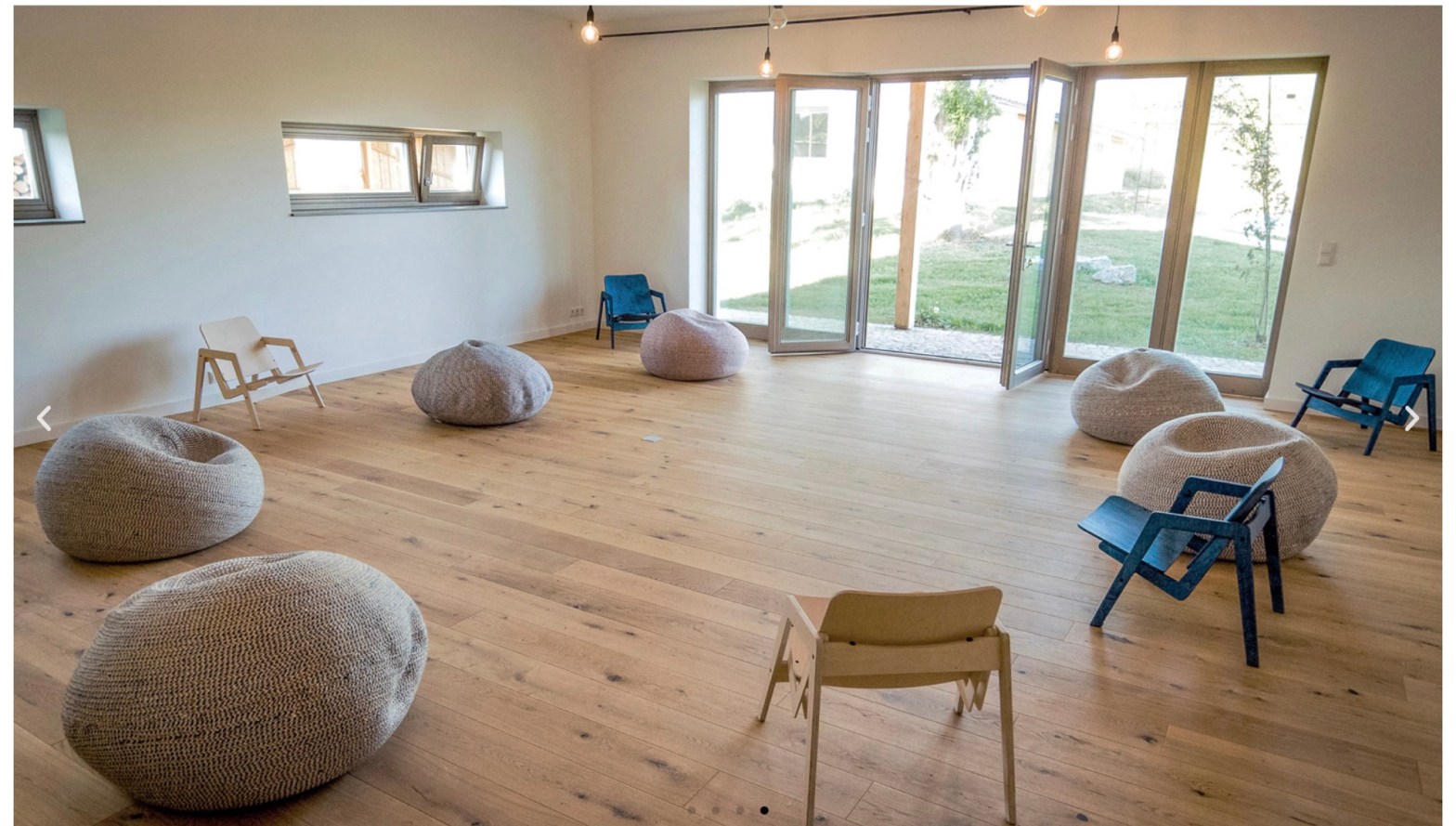
Discover Ollers, a charming farm-styled hotel in Vienna that offers a perfect blend of cozy accommodations and natural beauty. Set amidst picturesque landscapes, Ollers provides a serene environment ideal for yoga and relaxation. With its focus on wellness and nature, this retreat promises a refreshing escape where you can enhance your yoga practice while enjoying the tranquil countryside. Explore the peaceful surroundings, rejuvenate your spirit, and experience the unique charm of Ollers.
Lu Jong Yoga
Discover the Benefits of Lu Jong Tibetan Yoga
Welcome to our special video series on Lu Jong, a transformative form of Tibetan yoga. In this series, we introduce a series of exercises designed to harmonize your body’s energy, enhance flexibility, and boost overall vitality.
What is Lu Jong?
Lu Jong is a traditional Tibetan yoga practice that combines gentle physical postures with focused breathing and meditation. Originating from ancient Tibetan healing traditions, Lu Jong aims to balance the body’s inner elements and promote a deep sense of well-being.
Benefits of Lu Jong:
• Improves Flexibility and Strength: The gentle, flowing movements enhance physical flexibility and build strength, supporting overall body health.
• Balances Energy: By aligning body and breath, Lu Jong helps balance your internal energy, leading to improved mental clarity and emotional stability.
• Supports Digestion: The practice stimulates the digestive system, aiding in better digestion and detoxification.
• Reduces Stress: Regular practice helps release tension, reduce stress, and promote relaxation.
• Enhances Vitality: By energizing the body and mind, Lu Jong fosters a renewed sense of vitality and well-being.
Join us in exploring these enriching exercises and experience the profound benefits of Lu Jong Tibetan Yoga. Watch the video and start your journey toward enhanced health and inner balance today!
August 9
When we change, the world changes. The key to all change is in our inner transformation—a change of our hearts and minds. This is human revolution. We all have the power to change. When we realize this truth, we can bring forth that power anywhere, anytime and in any situation.
Ikeda Sensei
Değiştiğimizde, dünya da değişir. Tüm değişimin anahtarı içsel dönüşümümüzde—kalplerimizin ve zihinlerimizin değişiminde. Bu, insan devrimidir. Hepimizin değişim gücü vardır. Bu gerçeği fark ettiğimizde, bu gücü her yerde, her zaman ve her durumda ortaya koyabiliriz.
From Lectures on “On Attaining Buddhahood in This Lifetime.”
Altı Şifa Sesi
Altı Şifa Sesi, Geleneksel Çin uygulamalarından biri olan Zhineng Qigong veya Şifa Sesi Qigong’un bir parçasıdır. Bu sesler, belirli sesler ve nefes tekniklerini kullanarak vücudun enerjisini ve organlarını uyumlu hale getirerek sağlık ve dengeyi teşvik etmek için kullanılır. Her ses, belirli bir organ ve duygusal durumla ilişkilidir. İşte kısa bir genel bakış:
1. Akciğer Sesi (“Sss”): Akciğerleri temizlemeye ve keder ile üzüntüyü serbest bırakmaya yardımcı olur.
2. Böbrek Sesi (“Choo”): Böbrekleri beslemeyi ve korkuyu hafifletmeyi amaçlar.
3. Karaciğer Sesi (“Shh”): Karaciğer sağlığını destekler ve öfke ile hayal kırıklığını serbest bırakır.
4. Kalp Sesi (“Haa”): Kalbi destekler, neşeyi teşvik eder ve kaygıyı azaltır.
5. Dalak Sesi (“Whooo”): Dalağın işlevini artırır ve endişe ile aşırı düşünmeyi giderir.
6. Üçlü Isıtıcı Sesi (“Heee”): Vücudun enerjisini dengeler ve stres ile stresle ilgili sorunlara yardımcı olur.
Her ses, ilgili organa odaklanarak ve belirli nefes teknikleriyle yapılır.
Her ses, ilgili organı hayal ederek ve odaklanarak yapılır, bu süreç belirli nefes teknikleriyle birleştirilir ve böylece şifa etkisi maksimize edilir.